
The Perils of PPPD
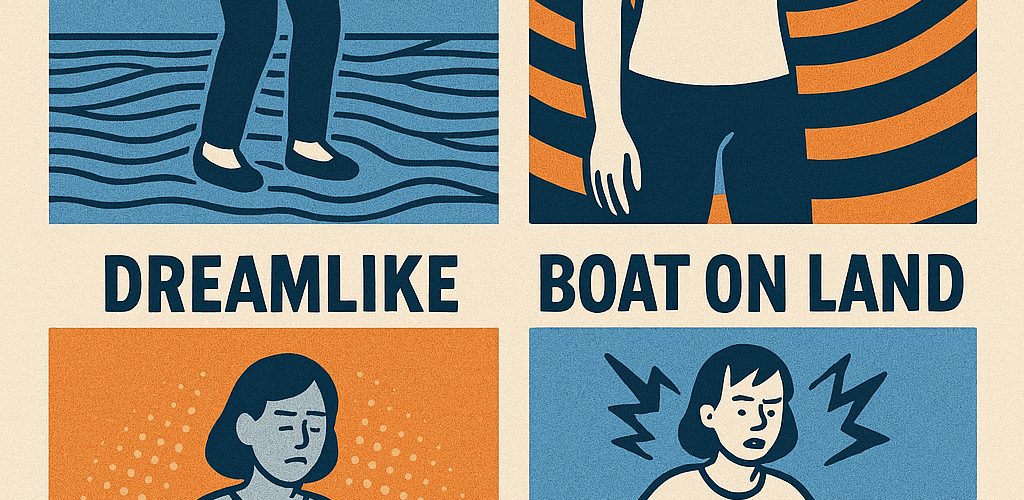
When you’re waiting in line at the DMV and your brain is on a sailboat
Persistent Postural-Perceptual Dizziness, or PPPD, sounds too plagued with p’s to be an actual thing. Au contraire, my friends, it’s all too real. I refer to it as “vertigo light” because PPPD has the qualities of dizziness and instability without the full-on vertigo attack. It’s is more like your brain misinterpreting normal motion and visual cues. It suddenly decides to issue a full-body “we’re moving!” alert when you’re standing still.
PPPD may follow a triggering event—a bout of vertigo, a concussion, a panic attack, or a stressful experience. At that point, your brain becomes confused. It overreacts to movement, especially in busy environments like supermarkets, airports, or when you’re eyes have been actively engaged for long periods, as in too much scrolling. You might feel perpetually dizzy, unsteady, or have a persistent rocking or swaying sensation. PPPD doesn’t care if you’re trying to read a menu or debating over which pineapple to buy—you feel like you’re sailing the high seas before you’ve had a chance to get your sea legs on. The sensation worsens when you’re upright, exposed to complex visual stimuli, or trying to concentrate.
Fortunately, PPPD is treatable.
Vestibular rehabilitation therapy (VRT) can help you retrain your brain to interpret motion and balance cues correctly. Think of it as physical therapy for your inner GPS. There are plenty of YouTube videos to get your started, or, even better, you can see a trained practitioner. On my own, I found the Well Balanced app, which you can download to your phone, especially helpful. With the latter, the exercises were fun and easy to learn, though not always easy to accomplish, which is the whole point. The longer you keep doing them, the greater the benefits.
That means recovery isn’t instant, but it’s absolutely possible. The key is consistency, patience, and not blaming yourself when your brain doesn’t cooperate. PPPD is real, frustrating, and invisible—but with the right tools, you can teach your brain to find its grounding again.
PPPD can make you feel like you’re swaying through life while everyone else walks straight. That’s when it’s time to remember: PPPD may be persistent, but so are you.


