
Become a donor
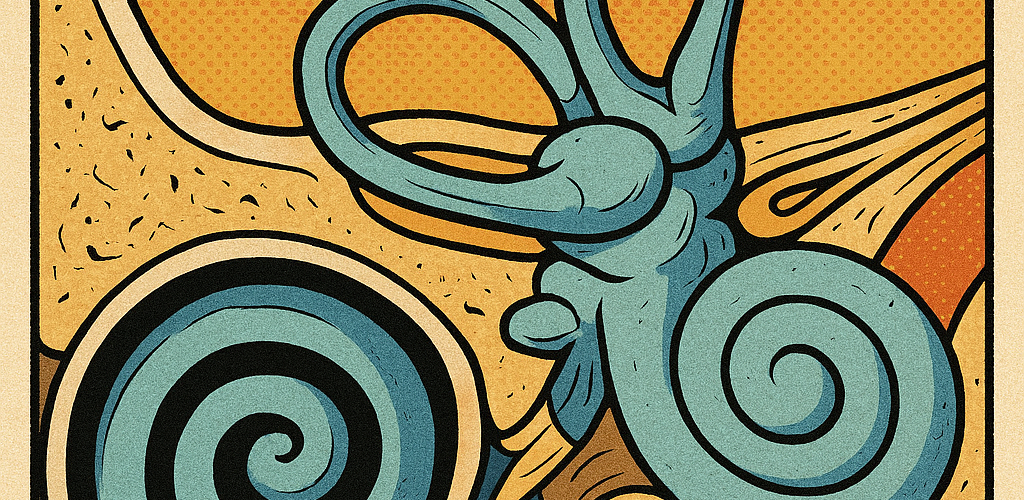
One way you can help further Ménière’s disease research is by registering as a donor
Studying the roots of hearing and balance problems is no simple task. The National Hearing and Balance Organ Donor Program furthers much-needed research on Ménière’s disease and other communication, hearing, and balance disorders. Backed by the National Institute on Deafness and Other Communication Disorders (NIDCD) through the Human Tissues and Organs for Research Resource (HTORR) program, it collects and distributes temporal bones and related tissues such as brain and muscle samples to scientists across the country.
Why temporal bone donation matters for Ménière’s research
Ménière’s disease affects the cochlea, vestibular organs, and surrounding tissues inside the temporal bone. These structures are:
- Deeply protected inside the skull, making direct examination in living patients nearly impossible.
- Only fully accessible after death, which is why donated temporal bones are considered one of the most powerful tools for uncovering the microscopic changes associated with Ménière’s.
Researchers use these tissues to:
- Study endolymphatic hydrops, the hallmark pathology of Ménière’s.
- Examine nerve fibers, hair cells, membranes, and vascular structures for damage or abnormalities.
- Compare affected and unaffected ears to understand disease progression.
- Validate or challenge theories about causes—viral, autoimmune, metabolic, vascular, or structural.
How the National Hearing and Balance Organ Donor Program enables this work
The program provides the infrastructure that makes temporal bone research possible by:
- Enrolling donors with and without ear disorders, creating a crucial comparison pool.
- Operating a 24‑hour national procurement network to recover temporal bones immediately after death, preserving delicate inner‑ear structures.
- Maintaining a centralized database of temporal bone collections across the U.S., helping researchers locate samples relevant to Ménière’s.
- Distributing tissues—temporal bones, brain tissue, and muscle samples—to qualified scientists studying hearing and balance disorders.
- Preserving and expanding existing collections so researchers can study rare conditions like Ménière’s over time.
This infrastructure is essential because Ménière’s disease is relatively uncommon, and high‑quality temporal bone specimens are rare. Without a coordinated national program, most of these tissues would never reach researchers.
How this advances understanding of Ménière’s disease
This type of research has historically led to major breakthroughs in hearing science, including the development of cochlear implants and advances in gene therapy. It remains one of the only ways to directly study the disease’s underlying pathology.
If you are interested in donating to this valuable research, you can read more here.


